
The changing seasons in the Blue Mountains and Penrith bring unique challenges – and opportunities – when it comes to tree care. From summer heatwaves to winter winds, knowing how to support your trees through each season is key to keeping your landscape thriving, safe, and beautiful year-round . In this guide you’ll find practical, seasonal advice to help you care for your trees with confidence, no matter the time of year.
Understanding the Local Climate
The Blue Mountains and Penrith areas have a temperate climate with clearly defined seasons. These regions experiences warm, humid summers and cold winters, creating unique conditions that influence tree growth patterns and care requirements. The elevation changes of 530m from Penrith to the higher Blue Mountains areas also affect local microclimates, making seasonal timing even more critical for proper tree maintenance.
Blue Mountains City Council recognises the importance of tree health, particularly given the region’s UNESCO World Heritage National Park status and the ongoing challenges posed by climate change. Understanding these local conditions helps property owners make informed decisions about tree care timing and techniques.
Spring Tree Care (September to November)
Spring represents one of the most active periods for tree growth in the Blue Mountains and Penrith. As temperatures warm and daylight hours increase, trees emerge from their winter dormancy and begin their most vigorous growth phase of the year.
During spring, trees are focused on producing new foliage, flowers, and establishing strong root systems. This is an excellent time for formative pruning of young trees, as the increased sap flow promotes rapid healing of pruning wounds. However, you should exercise caution when pruning species that are prone to heavy sap bleeding, such as maples and birches.
Spring is also the ideal time for mulching around trees. Applying a layer of organic mulch helps retain soil moisture, suppress weeds, and moderate soil temperature fluctuations. When mulching, ensure the material doesn’t touch the tree trunk directly, as this can create conditions favourable to pests and diseases.
Make sure to give your trees a health inspections during spring to identify any damage from winter storms or stress from temperature fluctuations. Look for signs of disease, pest activity, or structural damage that may have occurred during the dormant season.
Summer Tree Care (December to February)
Summer in the Blue Mountains and Penrith can bring intense heat and periods of drought. Talk about stress on trees! Tree care experts tell us that extreme heat during summer means early morning or late afternoon tree maintenance activities to reduce stress on both the trees and those caring for them.
During summer, the primary focus should be on water management and stress reduction. Deep, infrequent watering is more beneficial than frequent shallow watering, as it encourages deep root development. Newly planted trees require extra attention during their first summer, as their root systems are still establishing.
Summer pruning should generally be limited to removing dead, damaged, or diseased branches. This type of maintenance pruning can be performed year-round and is actually easier to identify during summer when dead branches stand out against healthy foliage. For mature fruit trees, light summer pruning can help direct the tree’s energy towards fruit development rather than excessive vegetative growth.
Tree protection becomes crucial during summer heatwaves. Young trees may benefit from temporary shade cloth, and all trees should have adequate mulch to protect their root systems from temperature extremes.
Autumn Tree Care (March to May)
Autumn is a period of preparation as trees begin to slow their growth and prepare for winter dormancy. This season provides an excellent opportunity for comprehensive tree assessments and planning for winter maintenance activities.
For deciduous trees, autumn is when natural leaf drop occurs. You should resist the urge to clean up fallen leaves immediately from around trees, as these leaves provide natural mulch and nutrients as they decompose. However, diseased leaves should be removed and disposed of properly to prevent the spread of fungal infections.
Autumn is also a greattime for tree pruning of spring-flowering species after they have finished flowering. This timing ensures that next year’s flower buds aren’t removed inadvertently. For trees that bloom during summer and into autumn, pruning should be delayed until late winter.
Deep watering continues to be important during autumn, particularly if the season is dry. Trees that enter winter well-hydrated are better equipped to handle winter stress and temperature fluctuations.
Winter Tree Care (June to August)
Winter represents the dormant season for most deciduous trees in the Blue Mountains and Penrith regions. According to arboricultural experts, late winter to early spring (August to September) is often the optimal time for pruning deciduous trees, as the reduced sap flow minimises stress and promotes rapid healing when growth resumes.
Winter pruning offers several advantages: it’s easier to see the tree’s structure without leaves, wounds heal quickly when growth resumes, and the tree can direct its energy efficiently to new growth areas. This is the ideal time for structural pruning, removing crossing or rubbing branches, and addressing any safety concerns.
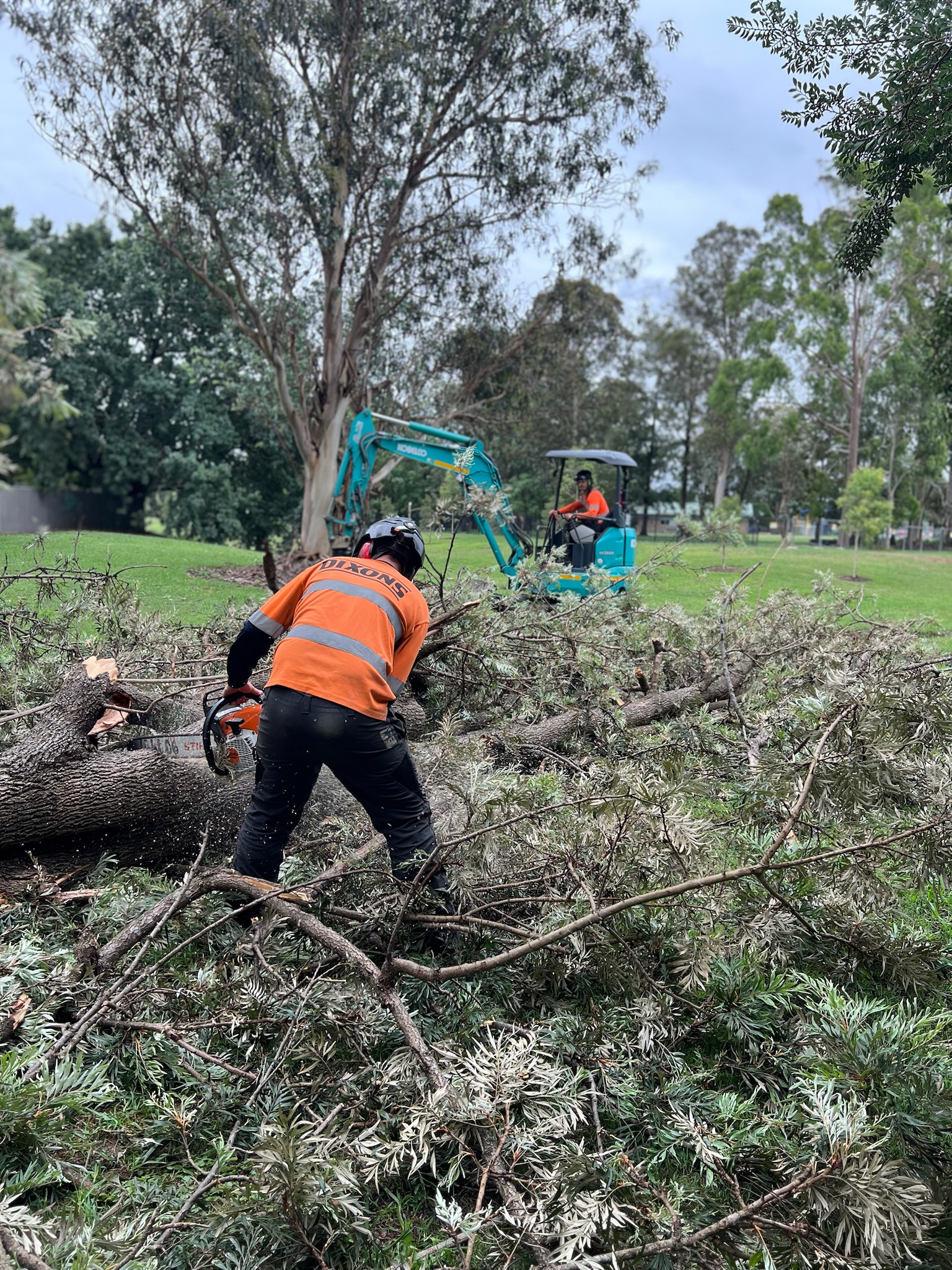
Professional tree services, such as those offered by Dixons Trees, are particularly valuable during winter when major pruning and tree removal work can be completed safely and efficiently. Winter is also the preferred season for tree removal when necessary, as the reduced sap flow makes the process cleaner and trees are less stressed.
Evergreen trees require different winter care approaches. While they can be pruned during winter, care should be taken to avoid extreme cold snaps that might damage newly cut branches.
Year-Round Considerations
Certain tree care practices should be maintained throughout the year regardless of season. Regular monitoring for pest and disease issues is essential, as early detection allows for more effective treatment. Signs to watch for include unusual leaf discolouration, premature leaf drop, visible insects or fungal growth, and any changes in the tree’s overall vigour.
Soil health plays a crucial role in tree vitality throughout all seasons. Avoiding soil compaction around trees is important year-round, which means limiting foot traffic and vehicle parking under tree canopies. The root protection zone typically extends to the tree’s drip line and beyond.
Safety considerations should never be seasonal. Dead, damaged, or diseased branches should be removed promptly regardless of the time of year, as they pose ongoing risks to people and property. If branches are large or the tree is near power lines or structures, be sure to engage professional tree services.
Professional Tree Care Services
While many seasonal tree care tasks can be performed by property owners, certain situations require professional expertise. Complex pruning, large tree removal, and work near utility lines should always be handled by qualified arborists who have the proper equipment and training.
Regular professional assessments can help identify potential problems before they become serious issues. Dixons Trees can provide valuable advice on species-specific care requirements, appropriate pruning techniques, and long-term tree health strategies suitable for local conditions.
Professional services become particularly valuable when dealing with heritage trees, native species with specific requirements, or trees that have experienced stress from extreme weather events. The investment in professional tree care often pays dividends in terms of tree longevity, safety, and property value enhancement.
Maintaining Healthy Trees Year-Round
Successful tree care in the Blue Mountains and Penrith regions requires understanding the unique seasonal patterns and climate conditions that influence tree health. By following appropriate seasonal care practices, you can maintain healthy, safe, and attractive trees that enhance their landscapes while contributing to our region’s environmental heritage.
The key to effective tree care lies in working with natural seasonal rhythms rather than against them. Spring and summer focus on growth support and stress management, while autumn and winter provide opportunities for structural maintenance and preparation for the coming growing season.
Remember that every tree species has specific requirements, and local conditions can vary significantly even within the Blue Mountains and Penrith regions. When in doubt, consulting with qualified local arborists ensures that tree care decisions are based on current best practices and specific site conditions.
Regular seasonal care, combined with professional expertise when needed, provides the foundation for healthy trees that will thrive for generations, contributing to the natural beauty and environmental value of the Blue Mountains and Penrith communities.
For expert advice or assistance with pruning, maintenance, or any other tree-related needs, get in touch with the friendly team at Dixons Trees. We’re here to help your trees stay healthy, safe, and beautiful all year round.