
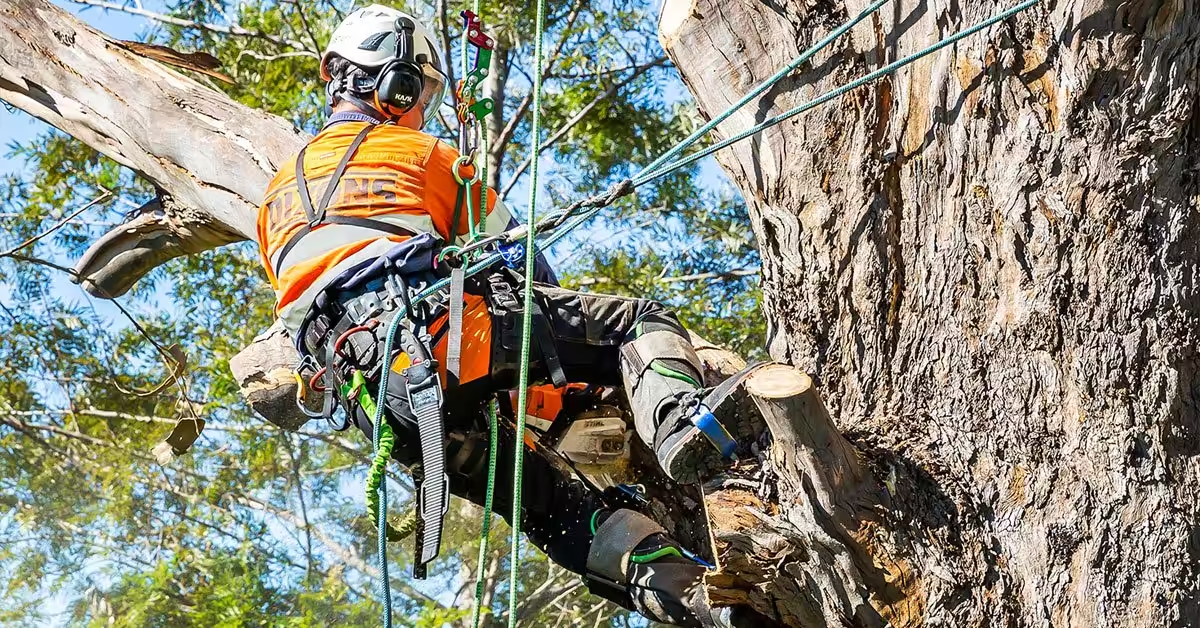
Spring has arrived, and while many homeowners are busy with indoor cleaning and garden preparation, there’s an often-overlooked aspect of property maintenance that deserves equal attention: your trees. Just as your home benefits from a thorough spring clean, your trees require seasonal care to maintain their health, safety, and aesthetic appeal throughout the warmer months ahead.
Professional tree care during spring isn’t merely about aesthetics. It’s a crucial investment in your property’s safety, your trees’ longevity, and your peace of mind as Australia’s notorious storm season approaches. Understanding when, why, and how to care for your trees during this pivotal season can make the difference between thriving landscapes and costly emergencies.
Why Spring is the Optimal Season for Tree Care
Spring presents the perfect window for tree maintenance in Australia. As trees emerge from winter dormancy and begin their active growing phase, they’re naturally equipped to heal and recover from pruning cuts more effectively than during any other season.
The temperate spring climate provides ideal conditions for tree work. Unlike the extreme heat of summer or the unpredictable storms of the wet season, spring offers stable weather patterns that allow for safe, thorough tree assessment and maintenance. This stability is particularly important given that spring weather patterns are becoming increasingly variable, with the Bureau of Meteorology reporting warmer sea surface temperatures that influence seasonal weather across Australia.
Professional arborists recognise spring as the safest period for comprehensive tree care. The moderate temperatures reduce stress on both trees and workers, while the absence of nesting season concerns (which typically begin later in summer) means pruning can be conducted without disrupting local wildlife habitats.
From a bushfire preparation perspective, spring tree maintenance aligns perfectly with official safety recommendations. The NSW Rural Fire Service emphasises the importance of vegetation management well before the fire danger period, and spring provides the ideal timing for this crucial preparation work.
Top Three Essential Tree Care Tasks for Spring
1. Professional Pruning and Crown Management
Spring pruning serves multiple vital purposes beyond simple tidiness. Dead, damaged, or diseased branches that have accumulated over winter pose significant risks during spring storms and should be removed promptly. These compromised branches can fail unexpectedly, potentially damaging property or injuring people.
Crown management during spring also involves removing crossing or rubbing branches that compete for space and resources. This preventive approach reduces the likelihood of wounds that could become entry points for pests and diseases during the active growing season ahead.
All professional pruning work must be conducted in accordance with AS 4373-2007 Pruning of amenity trees, the Australian Standard that ensures trees remain safe and healthy after branches are removed. This standard, developed by Standards Australia, provides guidelines that promote proper healing and minimise long-term damage to trees.
2. Comprehensive Tree Health Assessment
Spring offers the ideal opportunity for thorough tree health evaluation. Professional arborists can identify early signs of disease, pest infestations, or structural problems that may have developed during winter or could emerge as trees become more active.
A qualified arborist will assess multiple factors including tree species characteristics, age, vigour, overall condition, potential hazards, existing wounds, wildlife considerations, wind loading capacity, and structural stability. This comprehensive evaluation helps determine whether intervention is necessary and what specific treatments would be most beneficial.
Early detection of problems such as root damage, fungal infections, or insect activity can save property owners significant costs compared to emergency treatments required later in the season. Spring assessment also allows time for any necessary corrective work to be completed before extreme weather events occur.
3. Storm Preparation and Risk Mitigation
With Australia’s storm season typically intensifying through spring and summer, proactive tree management is essential for property protection. Well-maintained trees are significantly more likely to withstand severe weather events than neglected ones.
Storm preparation involves evaluating and addressing potential failure points such as weak branch unions, excessive canopy density that increases wind resistance, and overextended limbs that could impact structures during high winds. Professional assessment can identify trees or branches that pose unacceptable risks and recommend appropriate remedial action.
For properties in bushfire-prone areas, spring tree care takes on additional importance. The NSW RFS 10/50 vegetation clearing guidelines allow property owners to undertake specific vegetation management around buildings, including branch pruning within 10 metres of structures, provided the work complies with Australian Standards.
Identifying Signs Your Trees Need Urgent Professional Attention
Several warning signs indicate that trees require immediate professional assessment rather than waiting for scheduled maintenance. Dead branches, particularly large ones, pose immediate risks and should be addressed promptly by qualified arborists. These branches can fail without warning, especially during windy conditions common in spring.
Visible signs of disease such as unusual leaf discolouration, premature leaf drop, fungal growth on trunks or branches, or areas of dead or dying bark warrant professional evaluation. Many tree diseases progress rapidly once established, and early intervention often provides the best outcomes for tree preservation.
Structural concerns including visible cracks in trunks or major branches, leaning trees that have recently changed position, or exposed root systems due to soil erosion require urgent professional assessment. These conditions can deteriorate rapidly and pose significant safety risks.
Changes in tree appearance such as sudden wilting, yellowing foliage outside of natural seasonal patterns, or reduced leaf density compared to previous years may indicate underlying health problems that require expert diagnosis and treatment.
The Importance of Professional Tree Care
Professional tree care involves far more than simply cutting branches. Qualified arborists possess the training, experience, and equipment necessary to assess tree health accurately, identify potential problems early, and implement appropriate solutions that promote long-term tree vitality.
Professional arborists understand tree biology and growth patterns, enabling them to make informed decisions about pruning techniques, timing, and extent. This knowledge is crucial for maintaining tree health while achieving desired outcomes such as size management, safety improvement, or aesthetic enhancement.
Safety considerations make professional tree care essential for significant work. Tree care often involves working at height, handling dangerous equipment, and managing large branches or entire trees. Professional arborists have the training and insurance coverage necessary to conduct this work safely and effectively.
Insurance implications also favour professional tree care. Many insurance policies require that tree work be conducted by qualified professionals, particularly for work near buildings or power lines. DIY tree care that results in property damage may not be covered under standard policies.
Spring Tree Care Planning and Timing
Effective spring tree care requires strategic planning that considers various factors including tree species, local climate conditions, and specific property requirements. Different tree species have varying optimal pruning periods, and professional arborists can advise on the best timing for each tree type.
Local weather patterns should influence the scheduling of tree care activities. While spring is generally ideal, specific timing within the season may vary based on regional conditions and recent weather events. Professional tree care companies monitor weather forecasts and adjust scheduling accordingly to ensure optimal conditions for tree work.
Budget planning for spring tree care allows property owners to address maintenance needs proactively rather than waiting for emergency situations. Regular maintenance is typically more cost-effective than emergency services and helps prevent minor problems from developing into major issues.
Long-term Benefits of Professional Spring Tree Care
Regular professional spring tree care provides numerous long-term benefits that extend far beyond immediate aesthetic improvements. Well-maintained trees typically have longer lifespans, reducing the need for costly removal and replacement over time.
Property values benefit significantly from mature, healthy trees. Real estate professionals consistently identify well-maintained landscapes, including mature trees, as valuable property features that enhance marketability and sale prices.
Environmental benefits of healthy trees include improved air quality, reduced urban heat island effects, carbon sequestration, and wildlife habitat provision. These benefits increase with tree maturity, making preservation through proper care more valuable than frequent replacement.
Safety benefits accumulate over time as regular maintenance reduces the likelihood of emergency situations. Well-maintained trees are far less likely to experience sudden failures that could result in property damage or personal injury.
Time to Spring Clean Your Trees
Spring tree care represents a crucial investment in your property’s safety, beauty, and long-term value. The convergence of optimal growing conditions, stable weather patterns, and pre-storm timing makes spring the ideal season for comprehensive tree maintenance and assessment.
Professional tree care during spring addresses immediate needs while preventing future problems. From routine pruning and health assessment to storm preparation and risk mitigation, spring maintenance provides the foundation for healthy, safe trees throughout the challenging months ahead.
The expertise of qualified arborists ensures that tree care work meets Australian Standards, provides genuine benefits to tree health, and addresses specific property requirements effectively. This professional approach not only delivers superior results but also provides property owners with confidence in their investment.
Don’t wait until storm or bushfire season arrives to address your tree care needs. Spring provides the perfect opportunity to ensure your trees are healthy, safe, and prepared for whatever weather challenges lie ahead. Contact qualified professionals today to assess your trees and develop a comprehensive spring care plan tailored to your property’s specific requirements.